Posted on 2 Comments

Join our Exclusive JVF Club & Enjoy Loyalty Benefits

At JaivkFood, we reward loyalty in more ways than one! We are excited to enrol you into JVF Club, an exclusive membership program offering unique benefits to a limited number of valued customers. As a token of appreciation, all our loyal customers upto Dec 2016 have been enrolled as founding members.

Unlike traditional loyalty programs, JVF Club membership is personalised to your recent purchasing habits. We believe in knowing you by your name and reward you by tailoring services to your preferences. Enjoy seamless benefits , applied automatically whenever you qualify and become a  member.  The benefits include:

1. Special member’s discount of 10% applicable on billed amount of Rs 1,500/- or more.
2. No delivery charges.
3. Complimentary samples  of our newly introduced products exclusively to you.
4. Get priority in your order fulfilment in case of limited quantity of any product.
5. Join a guided tour of Organic Farms once a year subject to suitability of resources/climate etc.
6. Refer your friends.  Not only that you will a receive a token of gift from JaivikFood, you will earn an additional 5% discount on your next purchase , whenever your new reference places his/her first order of Rs 500/- or more.

Eligibility and other T&Cs :

1. At least 3 orders each above ₹1500/- in a month for Three Consecutive Months (except when informed in advance about your inability to order).
2. Order to be placed ONLINE on our website www.jaivikfood.com
3. An yearly non-refundable deposit of Rs 2000/- ( waived for initial round of JVF members) to be made in advance.
4. JVF Club membership is subject to discretion of the management of the company and is purely based on buying pattern (order value and frequency)
5. JVF Club program can be changed or withdrawn by the company anytime without any claim whatsoever except that the yearly deposit, if any will be returned on pro-rata basis.

Posted on

Ripening Mangoes at Home

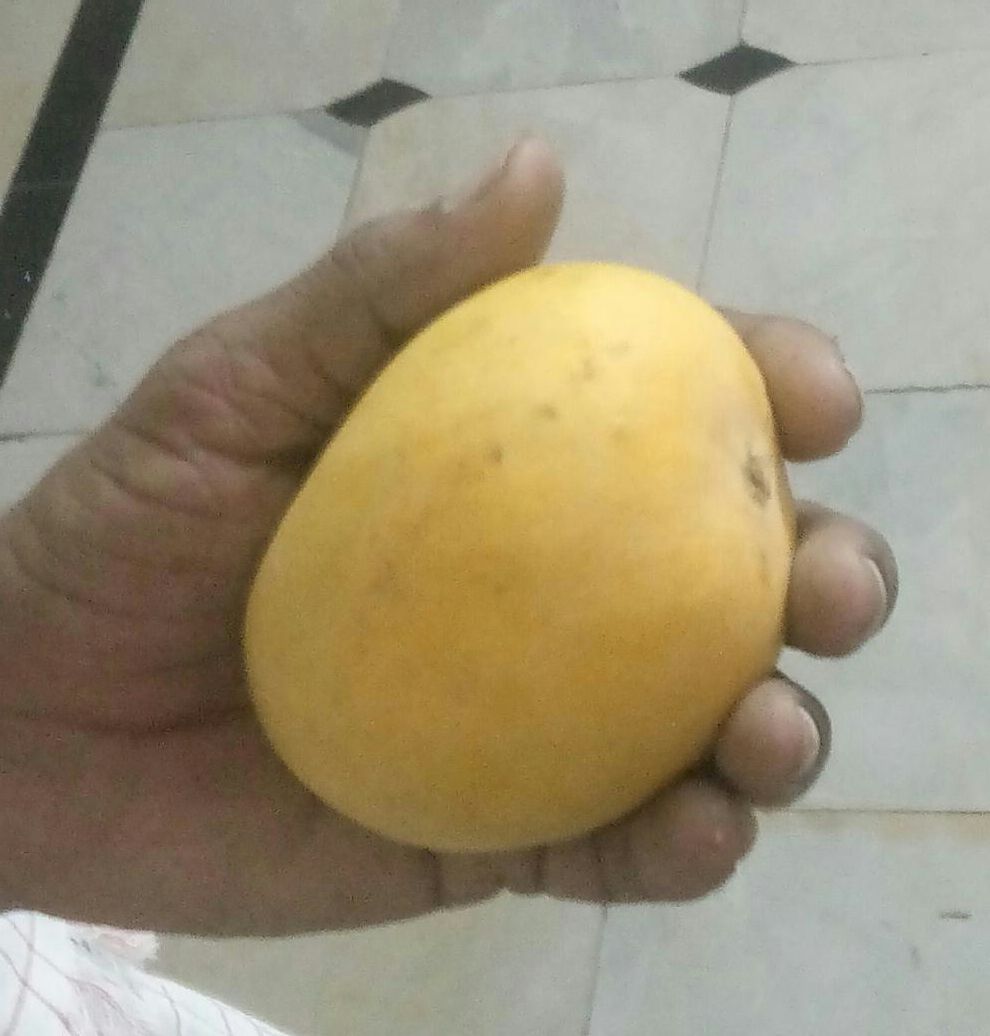
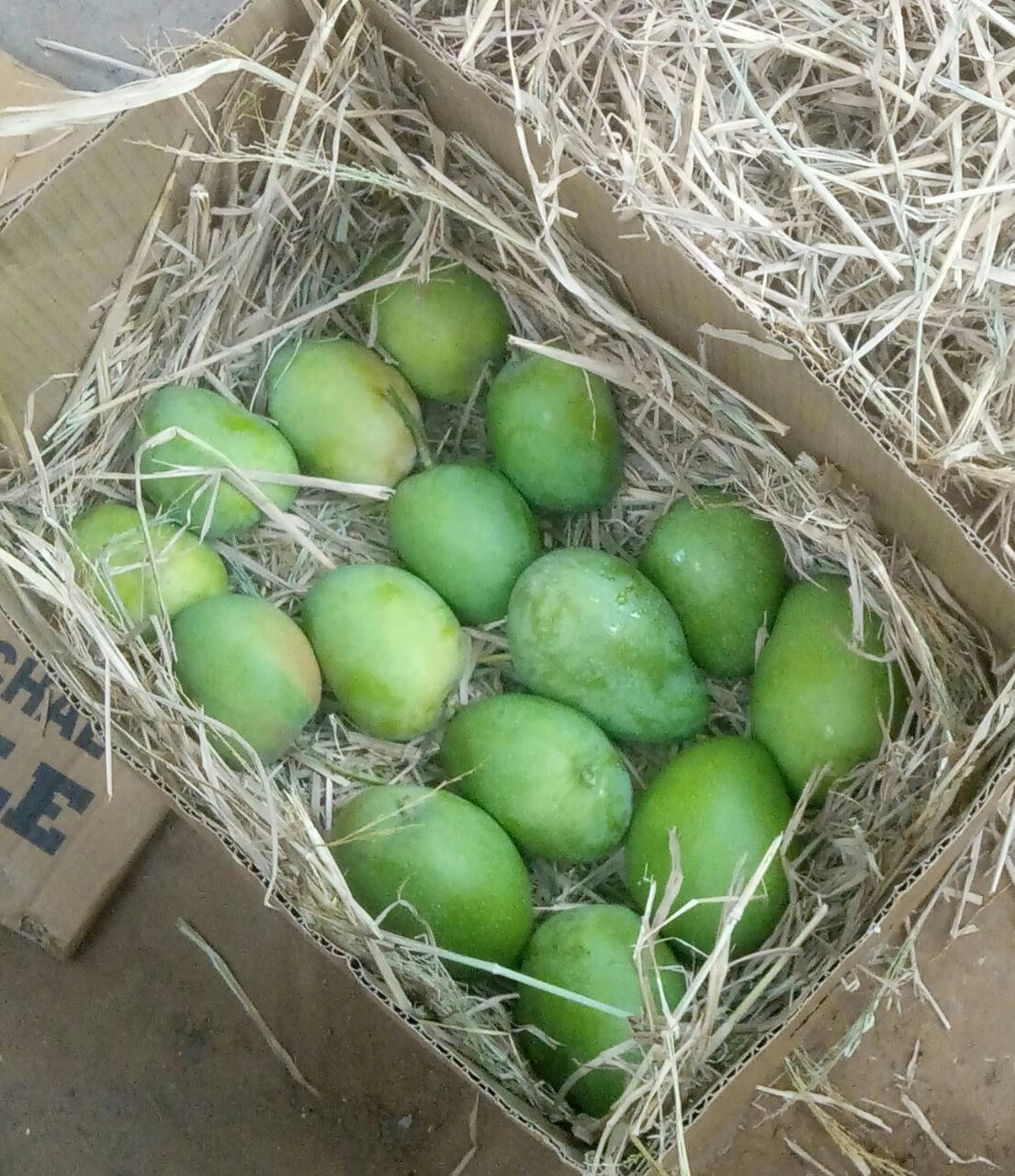
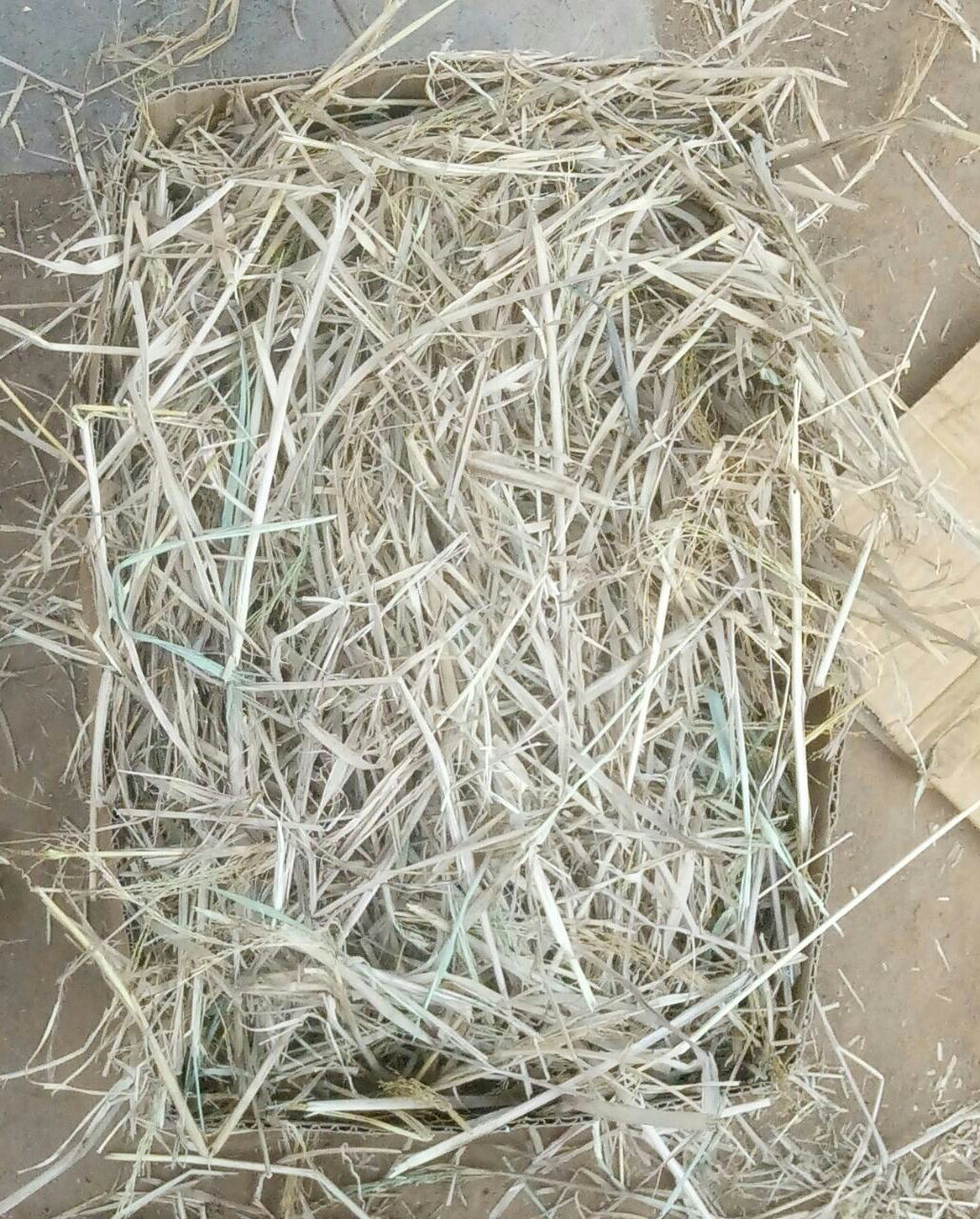
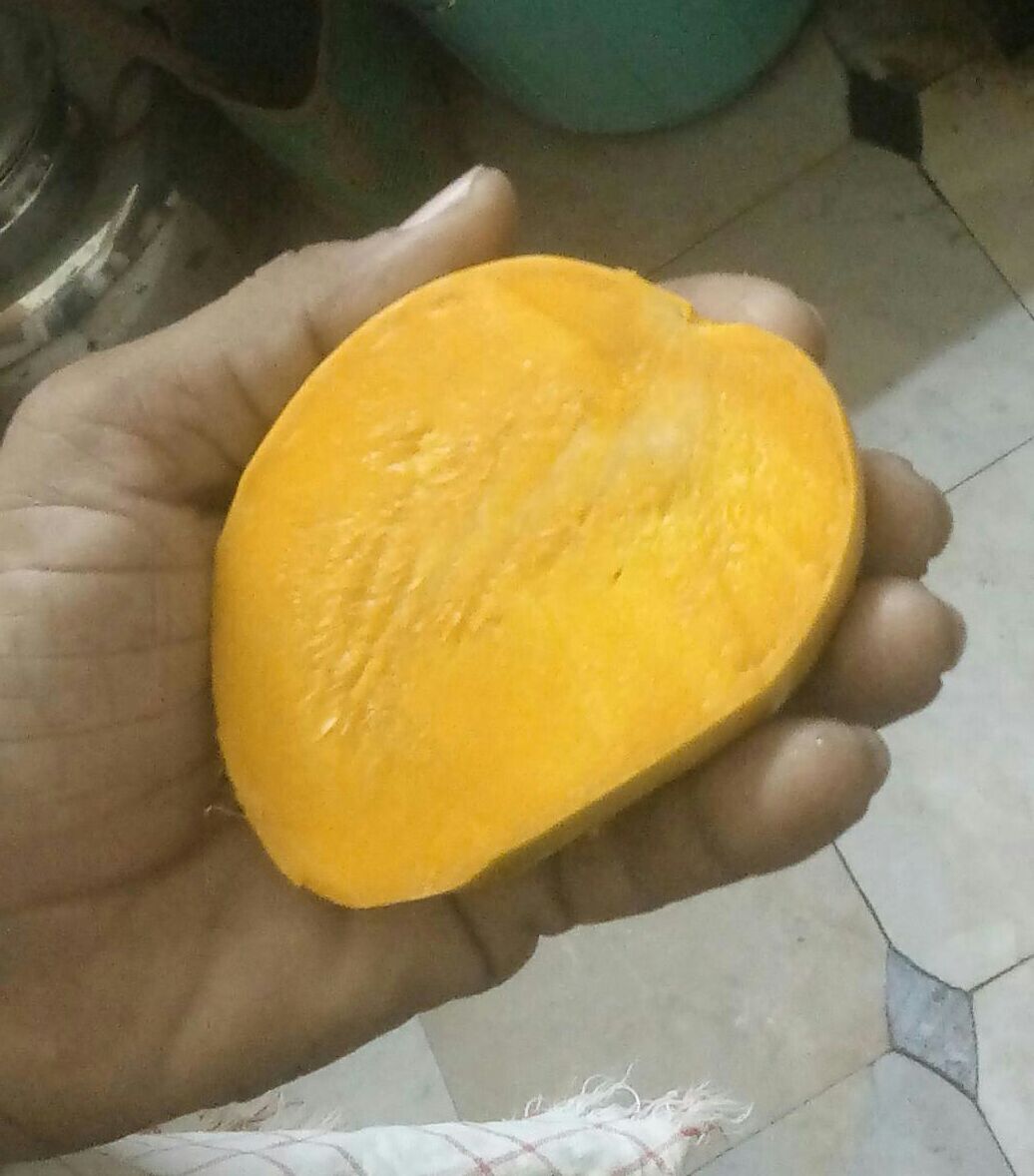
How to ripen your mangoes naturally. Most of the Mangoes are ripened after getting plucked from the tree. The fruit releases Ethylene gas which helps it to ripen and become sweet. The ripening process involves trapping the ethylene gas to escape and let fruit breathe fresh air too. Here are few pics to explain the simple process. The duration may be 3-7 days depending upon the fruit variety, temperature etc. You can open the box once a day and let fruits be exposed to fresh air (not required if box has wholes for air to pass in the box so that fruits can breathe properly). You know your fruit is ready to eat when the peel turns yellow, shows wrinkles and fruit is soft to touch. Please keep the box at room temperature away from direct sunlight.

Please note that in natural ripening process some fruits may catch extra heat or get some damage due to bacteria. Most of the time the damage is limited to it’s peel and you will find the fruit inside fine to eat. You can wash your unripened fruit in diluted vinegar water (1 cup in 2 ltrs water) to avoid bacterial attack.

Enjoy fruit ripening at home.

#organic #mangoes #jaivikfood

Banganapalli-RipeWhatsApp Image 2018-05-09 at 9.54.56 PM WhatsApp Image 2018-05-09 at 9.54.57 PM WhatsApp Image 2018-05-09 at 9.54.58 PMBanganapalli-Ripe2


Posted on

Happy to Use Cloth Bags for Home Delivery

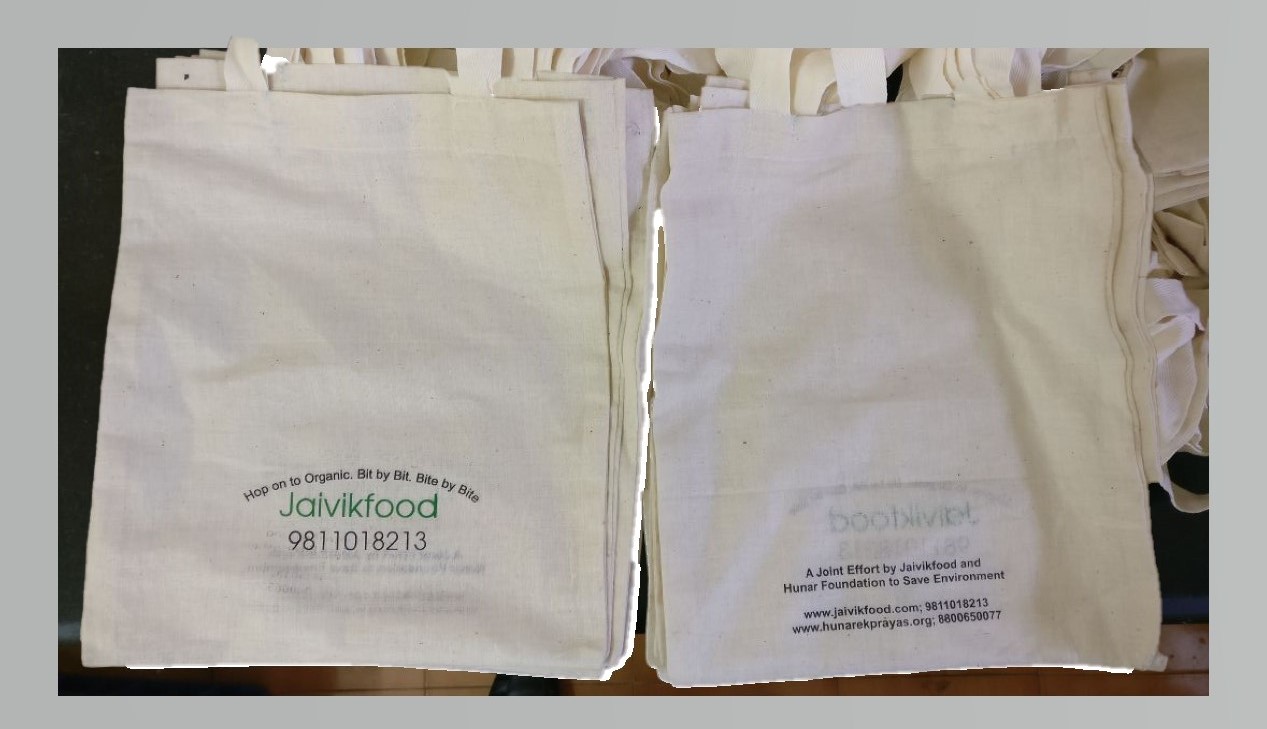
It gives us a pleasure to work with Hunar , an NGO based in Ghaziabad promoting self respect to poor women by skilling them and helping them to earn money. In our attempts to reduce plastics and other synthetic materials in our operations, for home delivery of our products, we are procuring cloth bags made by Hunar girls. We request our customers to return these bags same day or exchange with new one in next delivery to ensure our efforts are sustainable. We will be charging a nominal fee of Rs 10 per bag which is refundable. Thanks for your cooperation and helping us to save environment together. I would like to thank some of our customers who had been pushing us to stop using woven synthetic bags which finally end up in the stomach of sea animals.
If we can not eliminate Plastic, lets reduce as much as we can!
#notoplasticbags #saveenvironment #recycle #clothbag #organic#cotton #jaivik #hunarekprayas

Cloth-Bags

Posted on

Little worms or pesticides in your Organic Food ?

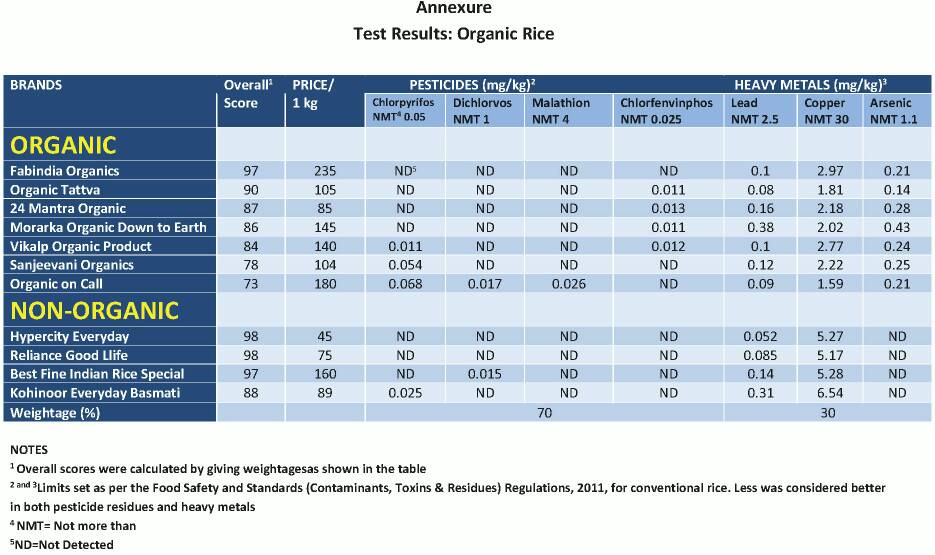
With moisture setting in, there is a good chance your stock of organic food grain may start showing sign of hidden life. If not then there is a good chance of pesticides residue in it. This is a simple test of poison in your food grain. Some of the most popular brands of organic rice in India are found with pesticides. Read the report to know more.
http://cercindia.org/grahak-sathi-exposes-shocking-truth-behind-organic-rice/Organic-Rice-pesticides

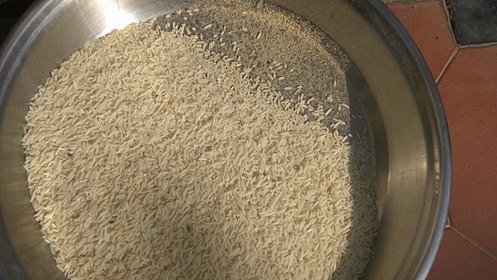
Below is a picture of our Taraori Basmati Rice from our organic farmer in Dehradun, Uttarakhand #JaivikFood.
Worms-in-grain

Posted on 1 Comment

Pitless Tree Plantation

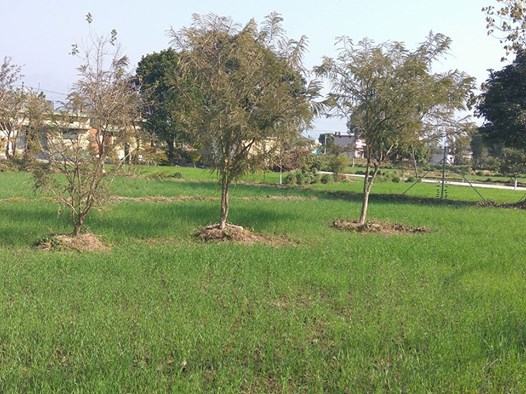
The recent incidents of uprooting of big and old trees in Chennai and many other metro cities is a sign that something is not right. Of course, one big reason is the concretisation of the ares around the trees but there is much more than that which is not right.

pitless-tree

Look closely and notice the raised soil around the main stem of the trees in our organic farm and compare with​ tree plantation in any conventional farm with a pit around it to feed fertilisers and water etc. It’s amazing to note how wrong are the conventional practices of modern agriculture. There are no feeding roots near the main stem and creating a pit simply makes the stock root immersed in water which makes it weaker because then it doesn’t grow much deeper looking for water. At the same time the feeding roots which generally grow on top soil don’t spread farther as the fertilisers are fed directly near the stem. This whole process is against the nature where feeding roots spread in the soil in search of food (nutrients) and make a strong foundation for the tree. The result is obvious when we see even big trees falling easily in City areas.

#Pitless #farming #organic #jaivikfood

Posted on

Zero Residue vs Organic and Natural Fruits

Please note the difference between #Pesticide Residue Free and Organic (#Naturally Grown) Fruits like Grapes, Mangoes , Bananas etc. Though, residue free are 100% safe to eat as the chemical residues are within the maximum residue limits and are naturally ripened without any artificial intervention, however, these can not be claimed as “Organic”.  The term “Organic”  or “Natural” has more implication than just the pesticides residue in the fruit/crop. That is because chemical #pesticides and #fungicides are used by such farmers during the flowering time and onwards for protection against infection and to assist fruit setting. In addition, more synthetic fertilisers, hormones etc are applied to ensure the optimum health of the plant.  As perIIHR recommended practice, the final protective spray is stopped not less than 15 days before the actual harvest to ensure lower limits of harmful residue in the fruit/crop. However, the pesticides and chemical fertilisers added by farmers do still seep into the soil, intoxicates the air and water and thus are harmful to environment and bio diversity in a longer run. So, buying such product does not meet the full objectives of organic /natural farming. On the other hand, Organic or Natural farming uses alternative techniques to take care of the these problems and ensure that the environment is not harmed in any way.

One should, at the least , avoid artificially (#Calcium Carbide) ripened fruits. The easy way to recognise if the fruit is naturally ripened or not is to examine the colour and texture. If its evenly coloured , #monoculture , evenly ripened but wrinkle free and pale then its artificially ripened. The other thing to note is the colour and taste of the pulp. If it has dull colour of pulp inside compared to what you get beneath the peel and taste is not upto mark of the variety of the fruit then its not good. The naturally ripened fruit (even if it has over ripened and is spoiled at some parts) when you cut open will have evenly ripened pulp with good flavour and taste.
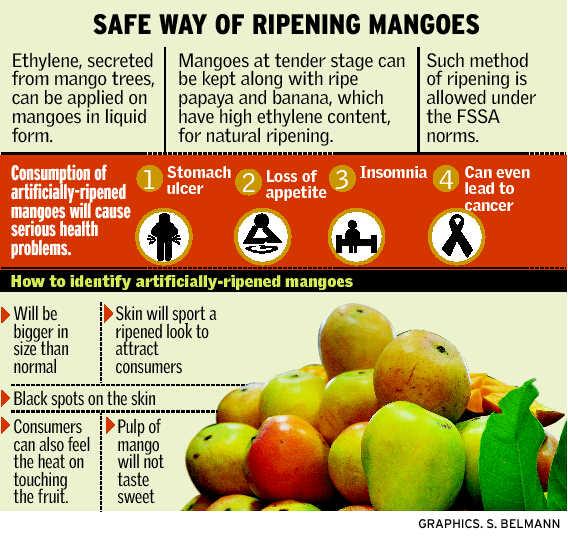
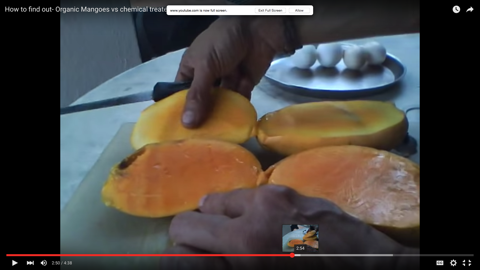
Safe Ripening Process Screen Shot 2016-04-04 at 4.32.13 pm

Eat organic and naturally grown food and Enjoy healthy living !!!

Posted on

 How to Buy Organic Food

Understand What’s Organic food :

In simple words, #Organic means #food grown #naturally under hygienic conditions and without the use of chemical fertilisers and pesticides. The ill effects of over use of chemicals by farmers to either protect their crops or to increase the yield over last 3-4 decades across India are well known. These were elaborately shown in the famous episode of TV show #Satya Mev Jayte hosted by Aamir Khan in 2012. Many #mothers today are aware and want to ensure healthy and pure food for their family and are opting more and more for organic food. The good part is that we are seeing more and more options being available to them in the Metro cities. The Big Question they face is that how to ensure the food they are buying at premium price is organic, healthy and better than the other food.

Most of the Organic food sellers are trying hard to provide you the healthier and safer options. However, it’s best in your own interest to be aware of few simple things while buying organic food items. Here are few listed below:

  1. Try to know the source from the vendor. Some general information about the origin will help you assess the authenticity. The #freshfood is generally available according to climatic conditions of the area of production and any mismatch should be a cause of concern.
  2.  If some items are available in large quantities and available for a longer period, you need to be alert. Most of the organic food items are available in limited quantity and during season only unless stored in cold storage.
  3. Some of the vegetables like Capsicum (Coloured and Green) , Bitter Gourd, Cucumber, Brinjal etc attract pests despite best efforts. If your veggies are always free from these than be alert. Please note that most of the times, you can cut the bug infected part and use the rest of it.
  4. It’s an agreed and legal practice to polish food items. However, Organic food should not be polished or subjected to any kind of hormones for growth, colour or size enhancements. If you find food items very attractive in colour, shape and size with spotless clarity and shine, again you need to be alert. Check for wax or oily surface and reject if found so.
  5. There should be a clearcut, observable differentiation in taste and flavour in your organic food. You can’t miss it.
  6. In addition to taste, you will also observe that your requirements of some of the pure organic food is reduced eg. Turmeric & Chilli powder, dry pulses like Rajma, Urad , Unpolished Rice etc are consumed in lesser quantity compared to their inorganic counterparts.
  7. Some #farmers believe that using cow’s dung as manure and urine based solutions for pest control makes their farm produce as Organic. This kind of food is definitely better than chemically treated ordinarily available food. However, there is one more condition of hygienic environment. Water and air of the area bring pollutants to farm. Farming near Industrial waste carrying water source (like Yamuna banks in the Delhi and surrounding regions ) cannot be classified as Organic even with the best of farmers efforts unless there is highly controlled conditions to treat them.
  8. Try to get pics of farms or plan farm visit once in a while. This will not only instill your confidence in the vendor but at the same time can help you connect with the roots and the farmers. Include these trips as part of your holidays. The family will love it and farmers will get encouragement too.
  9. Some of the processed items like juices may use ingredients like sugar, oil, additives and preservatives which may not be pure organic. As long as this is declared to you, it should be ok if the fruit juice is from good source and processed under hygienic conditions.
  10. Feedback is an important process to improve the quality of goods and services of your vendors. See if your vendor is listening to and responding to your input.
Happy Buying Organic Food.